
Introduction
A provocative question: Are we ready to face the impact of the Middle East crisis on Asian infrastructure investments? This crisis not only affects geopolitics but also sparks a need for more resilient and sustainable infrastructure investments.
Why It Matters Now
Asian infrastructure investments have grown rapidly over the years, with a total investment of $1.4 trillion in 2022, a 15% increase from the previous year. However, the Middle East crisis has sparked a need for investments that focus more on energy transition and sustainability.
Diving Deeper: Energy Transition
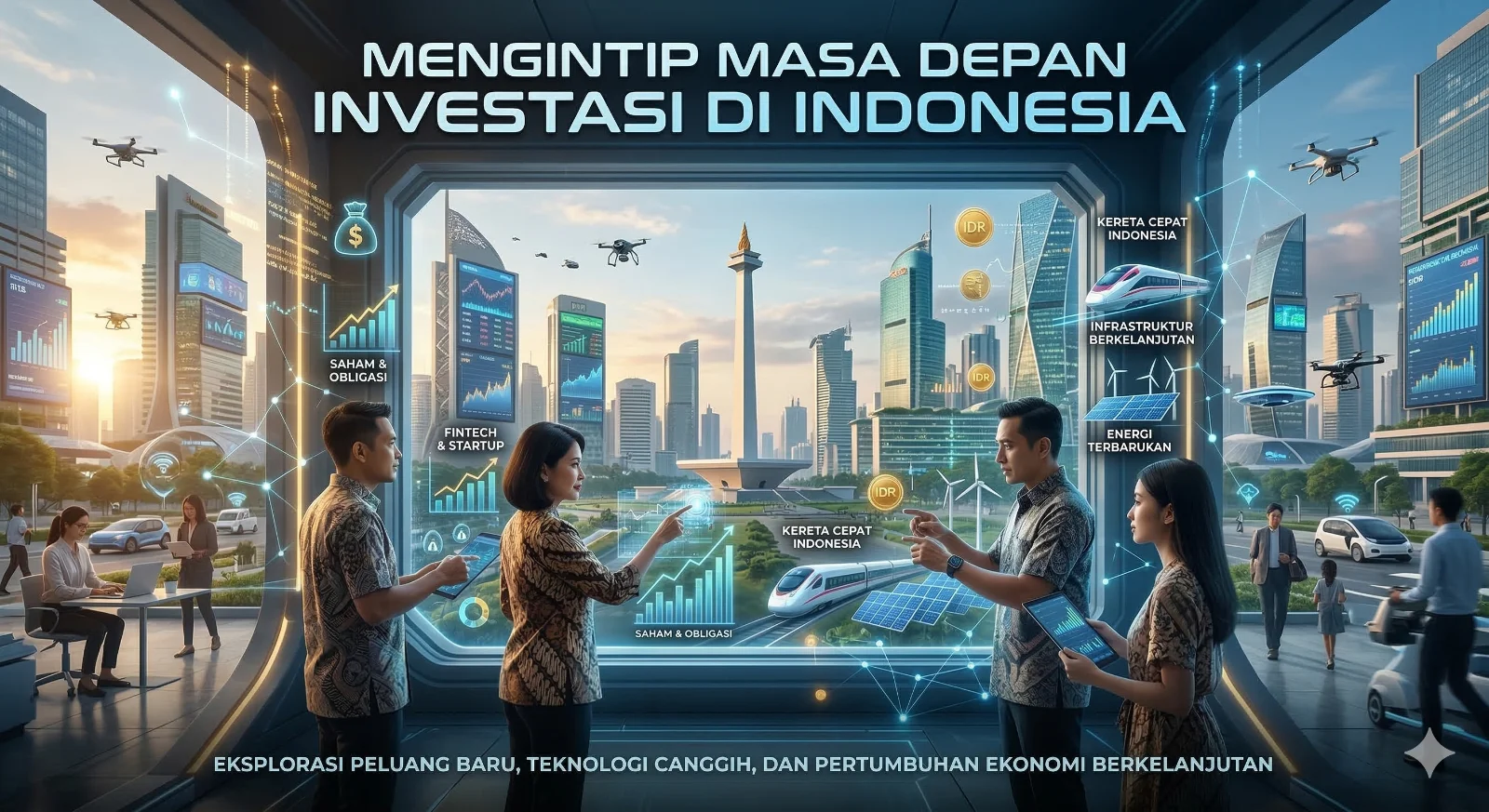
Energy transition has become a key focus of Asian infrastructure investments. With the development of renewable energy technologies, the cost of solar and wind energy production has decreased drastically, making it more competitive with fossil fuels. Investments in renewable energy in Asia are expected to reach $1.3 trillion by 2025, with an annual growth rate of 20%.
Perspective: Players and Precedents
Companies like Akasia Capital have taken strategic positions in Asian infrastructure investments, focusing on sustainable and environmentally friendly projects. For example, Akasia Capital has invested in a solar power plant project in Indonesia, which is expected to generate 100 MW of clean electricity.
Overlooked Risks
Asian infrastructure investments are not without risks, particularly geopolitical and security risks. The Middle East crisis can spark instability in the region, which can impact infrastructure investments. Therefore, it is essential to conduct comprehensive risk analysis before making investments.
Opportunities from Here
For investors, the Middle East crisis and energy transition offer attractive investment opportunities. By focusing on sustainability and renewable energy, investors can capitalize on the rapid growth of Asian infrastructure investments. Akasia Capital is ready to support investors in making informed and sustainable investment decisions.
Asian infrastructure investments are expected to reach $2.5 trillion by 2025, with an annual growth rate of 15%. (Source: McKinsey)
Energy transition is a significant opportunity for Asia to increase sustainability and reduce dependence on fossil fuels. (Source: International Energy Agency)
Conclusion
The Middle East crisis sparks a need for more resilient and sustainable infrastructure investments in Asia. By focusing on energy transition and sustainability, investors can capitalize on the rapid growth of Asian infrastructure investments. Akasia Capital is ready to support investors in making informed and sustainable investment decisions.